


Global and public health are changing, along with what leadership in them requires. I work on three things that decide how well institutions keep up: the evidence they rely on, the policies they make from it, and the trust the public places in them.
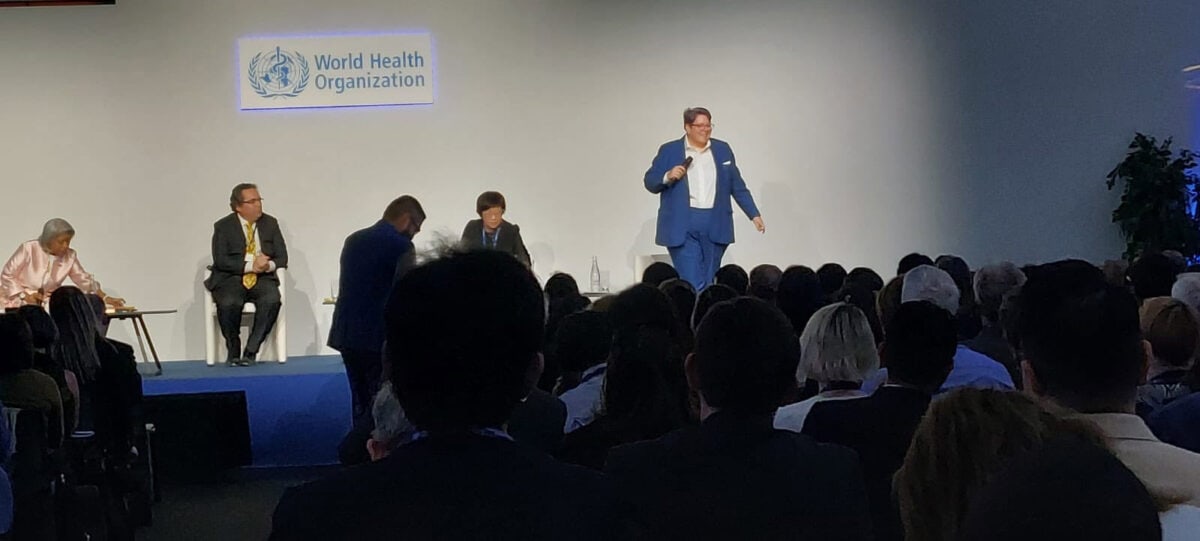
For more than 20 years I worked on these at the World Health Organization and the European Centre for Disease Prevention and Control. These agencies work by agreement among governments and have little power to instruct anyone. Most of my work meant leading people who did not report to me: Ministries of Health, country offices and partner organizations.
In each role I rebuilt a function that had stopped fitting what governments, partners and staff needed. At WHO Europe I led two units as one and turned a statistics office into a public data service used by 53 governments. At WHO headquarters I coordinated the guidance on evidence for AI-based medical devices, and I built and led the team that helped countries respond to health misinformation during COVID-19.
Currently:
- completing a Doctor of Public Health at Harvard, a doctorate in leadership and change in public health, where my research is on how large public health organizations learn from their communities and frontline staff,
- Vice President of the Global Health Section at the European Public Health Association,
- Co-chair of the Working Group on Global Health Equity and Digital Technologies at the World Federation of Public Health Associations,
- Associate Editor of Health Promotion International, and
- Associate Editor of JMIR Infodemiology.
How evidence becomes policy, and how public health institutions reshape their functions when the needs of governments, partners and staff move on.
Disease surveillance and health statistics, the governance of health data, and the evidence health systems need before they rely on AI tools.
How people find, judge and use health information, and how institutions listen and respond to what the public is asking.
Early warning, public information and exercises that prepare health systems for outbreaks and other emergencies.
The skills health leaders, officials and frontline staff need as their work changes, and the training and standards that build them.