



Health x fact-checking
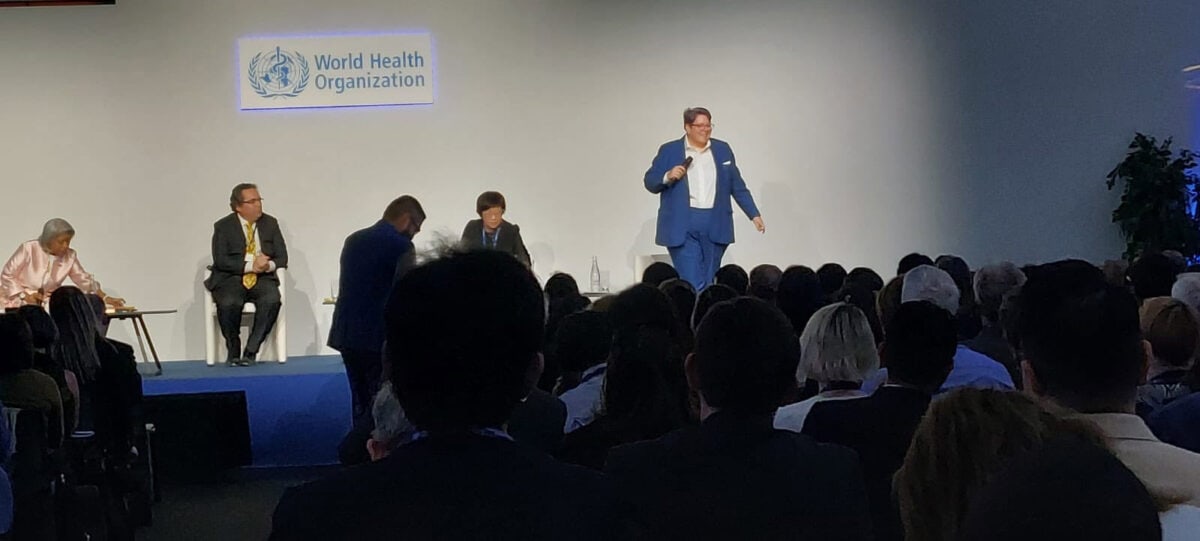
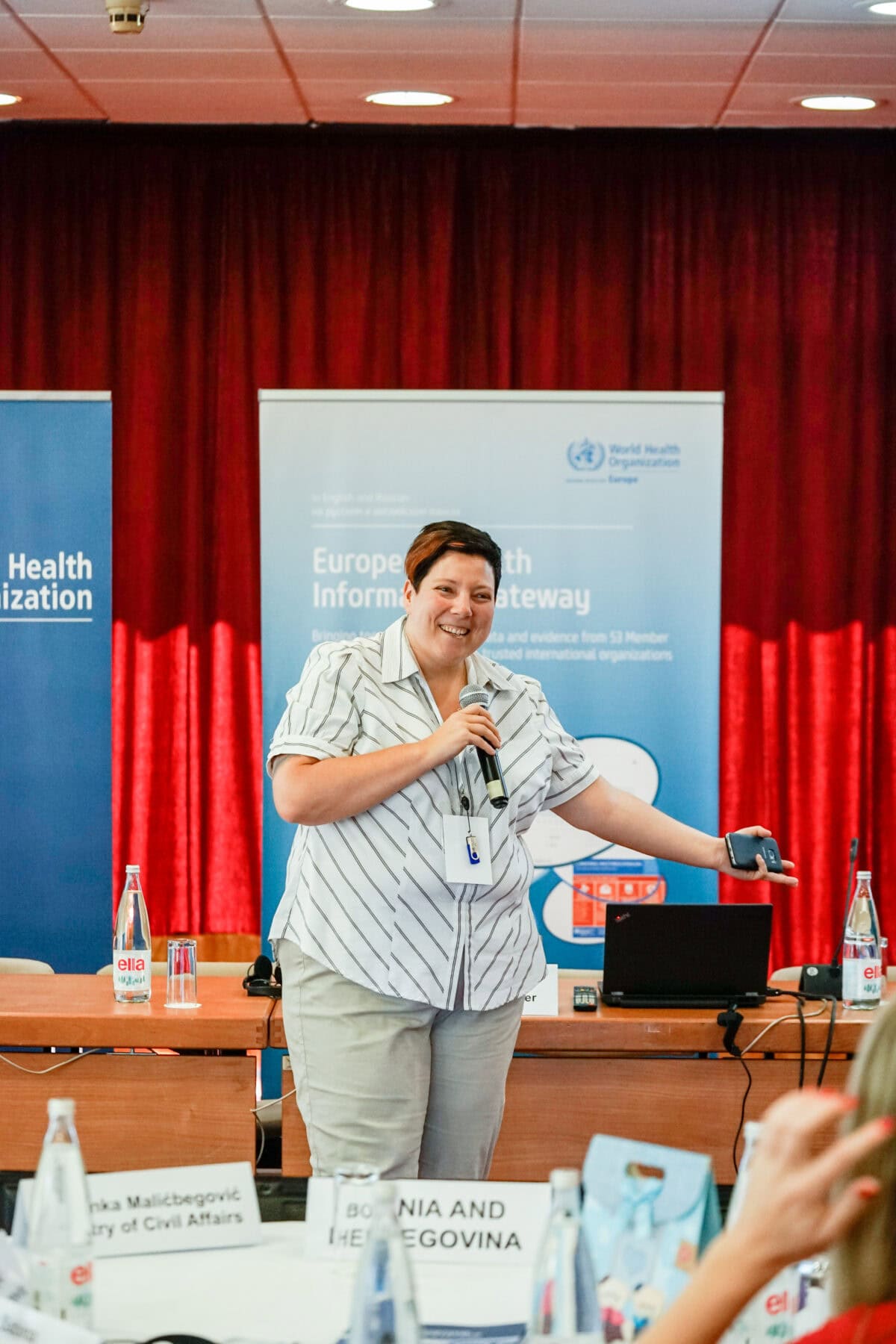
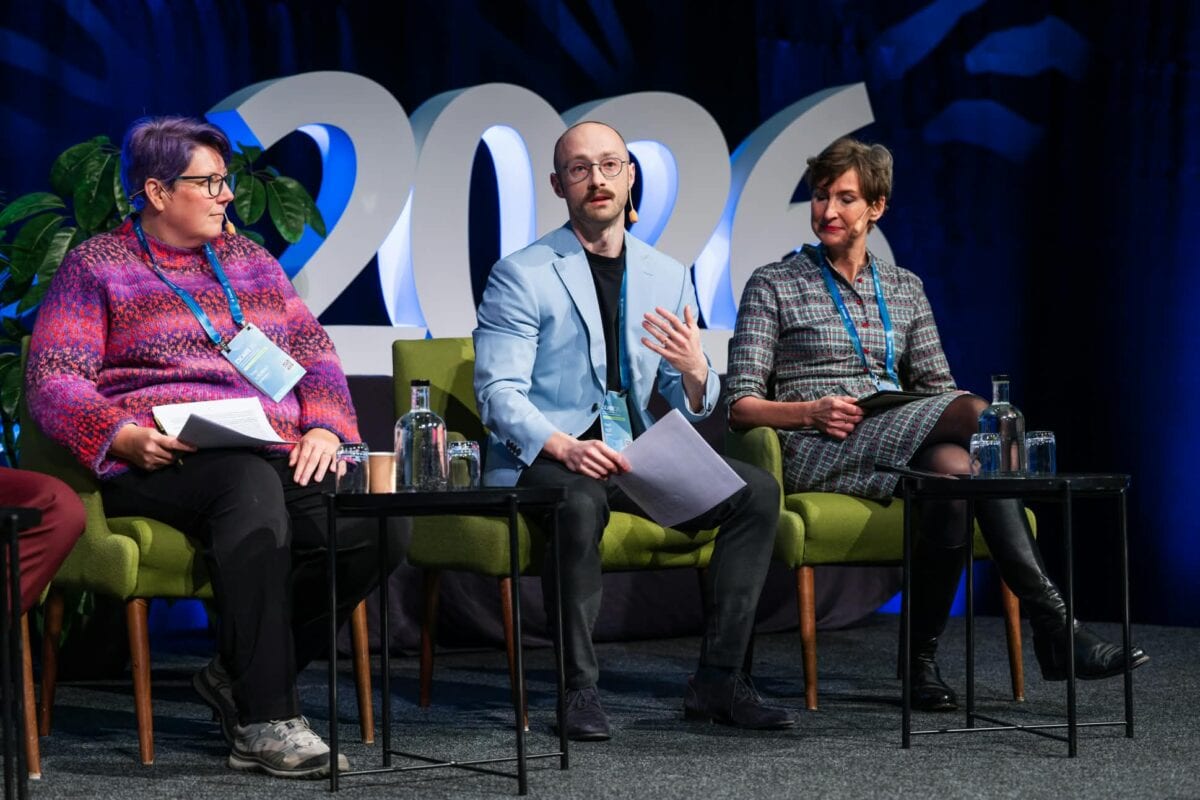
 The start of this page goes back to my preparations to talk at the workshop I presented together with Masato Kajimoto and Jelena Kalinic at the GlobalFact11 in Sarajevo in June 2024 – How to build a business case for health fact-checking.
When we prepared for the workshop, we surveyed the participants of the conference and received a lot of great questions and feedback. We were not able to address them all during the workshop, so I put some of my thoughts down here, in hopes this can be a resource for fact-checking organizations that are seeking to understand the health sector and build sustained collaborations with public health.
I hope this is a start of conversations on how academia, fact-checkers and public health can improve the collaborations and make gains in promoting credible, accurate health information.
This article was written by public health professionals for fact-checkers
I developed these notes with Elisabeth Wilhelm for fact-checkers who are interested in or working on health topics. Understanding public health and how health systems work can help fact-checkers build better partnerships and strategies to address health misinformation and other health information challenges.
Conversely, people who work in public health may not be familiar with how fact-checking organizations work and are networked, how they’re funded or the value they can provide in promoting credible, accurate health information to audiences.
What do fact-checkers need to know about public health and health information?
Here’s a mini master-class on health misinformation for fact-checkers.
Let me know if you’d like to collaborate to develop it into a full-on toolkit.
- Infodemic management is a new capacity in responding to health misinformation in emergencies
- Harmful narratives are found in many areas of health
- A health department’s functions and how fact-checkers can work with some of these functions
- Six steps to building a business case to fact-check in health
- Public health challenges to look out for and opportunities for fact-checkers to help address them
- Main challenges and potential solutions in developing fact-checking in health sector space
1/ Infodemic management is a new capacity in responding to health misinformation in emergencies

Infodemic is a term used by WHO to describe the overwhelming amount of information, including mis- and disinformation during health emergencies.
However, the digital information environment affects many areas of health outside emergencies as well.
Typically in health systems, the emergency staff don’t talk to those working in routine health programs. This is why if you want to build partnerships in addressing health misinformation and related information challenges, you need to work across the health system, and go deeper than just speaking to communications people in the organization.
Both public health professionals and fact-checkers make assumptions about what the other can do and what the other expects when addressing health misinformation. A public health professional might assume that a fact-checking organization can only create debunks. A fact-checker may assume that public health people only care about communications or quantifying pieces of misinformation. We know that both groups are capable of much more, using an extended set of strategies in ways of collaboration to address and prevent health mis- and disinformation affecting people’s health.
This is why fact-checkers should be prepared to educate public health colleagues, and fact-checking organizations will have a learning curve working with health organizations.
2/ Harmful narratives are found in many areas of health
Harmful narratives, which include mis-, dis- and malinformation, deceptive marketing, low quality scientific papers, outdated information, and people’s concerns are found on many health topics that affect all parts of the world.
It’s important to note that the goal in addressing health misinformation or harmful narratives isn’t to completely eradicate all negative discussion about health.
- Rather, we know that people make decisions about their health based on information they receive from sources and people they trust. Sometimes those can be lived experiences or questions people have, who share this with family and friends. These are not misinformation and can’t be debunked. If you try to debunk people’s lived experiences you are negating people’s experiences and are eroding trust in the health system.
- On the other side, there are plenty of sources of low quality information about health that include deceptive marketing for non-evidence-based treatments or cures, or other other low-quality types of health information mentioned above.
The majority of health-related low quality information or misinformation that is shared is shared by well-meaning people who believe it to be true and rarely is misinformation originally generated with some kind of organized agenda.
Health disinformation is often linked to profiteering or promoting a certain anti-health agenda, which goes beyond influence campaigns.
Public health professionals often break down a health issue into how it impacts different levels of society, such as individual, family, community, health system, society, etc.
- The reason why some narratives are harmful to health is that they can affect a person’s confidence and trust in health products, health guidance, health workers and health system. This might contribute to a person’s lowered perception of risk from a disease or health issue, promoting buying or using non-recommended treatments, ignoring health guidance from their healthcare provider, continuing behaviors that are harmful to health, advocating against health guidance to others, or sharing this misinformation onwards to people who may be vulnerable.
- Beyond the individual level, harmful health-related narratives can also impact communities, health systems, and societies. If misinformation spreads in a community, about a particular health topic or health service, it might influence a community’s willingness to seek health services or trust the health system. For example, if there’s a rumor that undocumented migrants will be arrested if they seek a vaccine, that community might choose to not have themselves or their children vaccinated.
- Misinformation can also affect health workers who are also exposed to it, may believe in it or find it difficult to address their patient’s questions, concerns, and misinformation.
- Also, narratives around distrust of health workers may lead to violence.
- On the societal level, many health topics discussed might lead to stigmatization or racism or other type kind of hate speech if the health issue affects a specific group of people that might be demonized or scapegoated.
Public health progammes prioritize acting on threats that pose highest health risk to the most vulnerable parts of the population.
- It’s important to note as a fact-checker that harmful health narratives have much wider effects than simply debunking individual pieces of misinformation might suggest.
- Often harmful health narratives affect specific groups of vulnerable people, more so than the general population. Special attention needs to be paid to these people. For example, people with disabilities face challenges in both seeking health information and seeking healthcare access. Often, information and services are not available in locations, formats, and channels that are accessible. This is double true for people with disabilities, who come from lower income households, or have some other vulnerability such as lower level of literacy, weak access to health system, weak human rights protections.
- Any harmful narratives that is particularly concerning for this population is concerning for the health department and should be concerning to you too. When it comes to prioritizing which narratives to address, focus on the most wide-spread narratives, but those who have potential for greatest harm to the most vulnerable group of people.

Health research is constantly evolving in all fields. There’s always new updated guidance, new treatments, therapies, and new advice. Sometimes these are different between countries, which creates a lot of additional questions and concerns when people discuss these differences and how they relate to them on the internet and on social media.
Each of these health topics are discussed by non-health professionals, online and offline. It’s natural when people are worried about a health condition that they seek information from a variety of sources.
Happily, across the world, health professionals are still considered the most trusted source of health information. Most people tend to listen to their provider, which is a one-on-one interpersonal relationship. In public health, health departments focus on addressing health behaviors that individuals have that also have population level effects. For example, someone researching about their breast cancer diagnosis and treatment online will be looking at different places and exposed to different authoritative guidance than someone looking for information about STI testing or quitting smoking.
Fact-checking organizations have worked on topics from many different areas of health. It’s important to know that different health topics are associated with different health programs and parts of the health department or Ministry of Health. Therefore, speaking to only one collaborator you have within the health system might not open doors to all departments that you might be able to partner with and who may have unique needs for your skill sets.
3/ A health department’s functions and how fact-checkers can work with some of these functions
A health department’s job is to protect the health of the community from health issues that are preventable.

To take a step back, it’s important to remember what exactly health departments do at the national, regional, district, and city levels.
- Health departments as a rule are chronically underfunded, understaffed, and are responsible for a huge range of health topics.
- The same health department might be responsible for addressing food safety and foodborne illnesses, increasing vaccination rates among older adults, to preventing HIV and TB, to obesity and nutrition, to preparedness for future emergencies.
- Each of these programs inevitably have their own funding streams and sometimes different donors. Often they don’t have a lot of resources in communications.
- They focus on behavior change, which is partially covered by health education and health promotion experts. This part is usually underfunded too.
You can’t depend on the health system to pull you into partnership because they have sporadic funding and parts of the system don’t know what others are doing.
Strategically, you need to build a wide networks of contacts and present yourself as a strategic partner, not what they consider a narrow fact-checking organization that only the public affairs or press officer would be engaging with.
How fact-checkers can work with health departments
Here’s a few examples to expand your horizons beyond fact-checking in support of this very understaffed, overwhelmed and overworked group of people.
Highlighted in green are public health functions where a fact-checking organization can pitch themselves as a strategic partner, with skill sets and expertise that they have.

Engage communities and partners to promote health
- For example, in Indonesia, MAFINDO does a lot of civil society engagement work to promote digital literacy in community members in partnership with the ministry of health. They developed specific teaching materials for health and digital literacy for elderly people.
Advocate for health in policies and laws
- I would hope more fact-checking organizations advocate for health in policies and laws that protect freedom of expression but also protect consumers. There are many medical associations in different countries that have advocated for protection against harassment of health workers and doxing on social media platforms, challenges that many of you have faced yourselves.
Build a diverse public health workforce
- When it comes to building diversity in the health workforce, you have valuable skills that you can share.
- A popular sustainability model for organizations with fact-checking skills is to provide training to health department staff. This is not to train the local health promotion officer to be an investigative journalist or fact-checker, but to better use tools available to them to promote credible, accurate health information being shared by the health department.
- Social media and digital skills are extremely difficult to find in health department and fact-checking organizations have them in spades.
Conduct research and evaluations to protect health
- The next bucket about conducting research and evaluation to protect health might sound really scary, if you’re not a researcher. However, partnering with health departments and academic institutions to support better research on health misinformation will help inform better public health actions and policies that protect people’s health.
- A big problem in this space is that a lot of research is generated on university campuses or in newsrooms without exposure to the day-to-day realities and challenges of public health. This means that well meaning health misinformation research goes unused because it is not applicable to public health. Just because you’re fact-checking a health claim doesn’t mean you’re doing public health.
Communicate and educate on health
- And the final bucket about communicating and education on health topics is probably the most obvious way that fact-checking organizations can support the spread of credible, accurate health information and prebunk and debunk misinformation.
- If the health department finds them important in different health topics, many of these activities usually get contracted out to marketing or communications agencies or to consultants. Fact-checking organizations would have a competitive edge in this activity.
Health departments and fact-checkers naturally play different roles in the information environment concerning health.
It’s also important to remember that health is very personal and everyone has an opinion about it. Those can’t be fact-checked but often drive the amplification of health narratives.

In this diagram you can see the spectrum of types of information on a health topic – they might have questions or concerns, they might be actively looking for information but can’t find it from a credible sources, and mis and disinformation.
The left side of this diagram is far more common in the information ecosystem and easier to address by health departments than the right hand side.
This is where fact-checkers come in, especially if you’re expert at addressing mis- and disinformation.
A consistent challenge that fact-checkers face is lack of access to health experts, difficulty accessing latest data, understanding emerging scientific literature and degree of consensus, and translating scientific language into plain language. These are all things that health departments are better positioned to help with.
4/ Six steps to building a business case to fact-check in health

- Foster relationships with the health sector, including Ministry of Health, Institute of Public Health/CDC, medical associations, health focused civil society organizations, health focused alliances, and academic groups focused on public health.
- Understand current public health needs and priorities and potential avenues of funding.
- The most critical piece is defining the public health question you can help answer, and researching which organizations could fund the work to do so. (e.g. “How do we address reproductive health misinformation on TikTok targeting adolescent boys and young men in Tagalog?”)
- Identify and grow your area of comparative advantage.
- For example, do you have staff with specific expertise in health topic, experience with a target audience (e.g. immigrant communities), or has existing partnerships you can leverage? What new partnerships or skills or resources would you need to gain an advantage?
- Conducting a SWOT analysis with your team and inviting health experts to join may be a helpful exercise.
- Develop ideas to build capacity or provide expertise to health sector
- You can offer a services such as factchecking or developing infodemic insights, or conduct research or evaluation, or training, such as training health promotions staff, or serve as a strategic partner to develop plans, foster networks.
- Develop a business case that includes the above, and describe ways of working, values, and what you would need from the health organization to successfully partner with them.
- Beta test your concept with public health people
- Public health people speak a different language and have different objectives and indicators of success compared to a fact checker. It’s important to test out your pitch on a small group of public health people on the chosen topic.
- Be prepared to educate your audience, and frame ways of collaboration that makes sense for your organization
- Be also prepared to learn about public health and way its bureaucracy works (often slow, many people involved, lots of procedure and reporting), but successful collaboration can results in big public health rewards.
5/ Public health challenges to look out for and opportunities for fact-checkers to help address them
Why does this matter? Health departments are looking for expertise in this space even though they might not know what to look for or who to partner with because this is such a new space.
People in positions of power in health departments are not digital natives and have little specific understanding of digital information environment and how it affects people’s health but have generalized anxiety about health misinformation and online criticism of their organization.
If you build a strong case for why your organization is a good choice to help address this, grounded in public health language and context, you will increase your changes of getting funded or being included in the funding proposals as a strategic partner.
Health mis-/disinformation is seen as a greater threat to public health.
However, this is sometimes confused with reputation management or the demand for magic dashboards that track misinformation but are utterly useless for public health action.
What a fact-checking organization can do:
- This is a prime opportunity to present a case for funding your organization or including it as a partner if you write it with a public health frame.
- Remember you might need to educate your audience and partners.
More health workers are reporting increased threats or harassment, attacks, profile spoofing, and doxing from many countries around the world.
This is driving more efforts to protect health workers from these new online harms, and equipping them to address misinformation with their patients.
What a fact-checking organization can do:
- The same toolbox journalists and fact-checkers use to protect themselves from online harassment and attacks can be adapted for health workers and their employers.
- Additionally, health workers need training on how to address misinformation online and offline and with their patients. You can provide that training.
Climate change and how it affects health is getting increasing public attention and funding.
Misinformation on health and climate (animal – human – planetary) continues to grow, including among agriculture workers, people who work outside, and other vulnerable communities.
What a fact-checking organization can do:
- Health sector is not always the best at bridging with other sectors. You can build partnerships with agencies focused on conservation, environment, and climate as it relates to human health. This comes with new funding sources outside of health.
We live in the age of polycrisis, which almost always has a health component…
… whether it’s wildfires, civil war, mass displacement, elections, mass events gone wrong. Health misinformation, deceptive marketing and alternative cure profiteering will inevitably follow.
What a fact-checking organization can do:
- Having health expertise and existing partnerships to address health dimensions of these emerging issues, makes you more attractive to funding from health and other domains of society.
Health departments often have digital footprints from the year 2005.
This really undercuts the need to improve the credibility and quality of health information available to successful address information gaps and misinformation.
What a fact-checking organization can do:
- Offer to audit the health information and processes of a health department including website and social media presences, and
- make recommendations for improvement, including SEO, accessibility, usability, metadata, how to public mythbusters page useful for factcheckers and journalists, and publish and disseminate prebunking content across website and social media networks.
Health departments are worried about politicization of health and hijacking in disinformation influence campaigns.
What a fact-checking organization can do:
- Offer to help investigate and respond to health disinformation and reputational attacks.
There is a push to improve how to understand information environment related to health…
… in public health social listening or infodemic insights report, which is generated by a team in a health department/organization. They need data sources.
What a fact-checking organization can do:
- Your data can input into this process, and can be formatted to be shared and used in integrated analysis for health.
A part of public health is focused on building community resilience and engaging communities to promote behavior change in health and build trust with the health system.
What a fact-checking organization can do:
- You can combine factchecking with community-based resilience programs and focus on teaching digital literacy and misinformation identification skills to different audiences. This approach can also be used for health workers when engaging through health system.
6/ Main challenges and potential solutions in developing fact-checking in health sector space
At GlobalFact11, we discussed the main challenges that fact-checkers face when working on health topics.
What stood out to me is the repeated refrain that the biggest obstacle was lack of health experts that would be on “standby” to help investigate a particular health topic and claim.
What strikes me is that one of the biggest problems is something that is solvable and that can be addressed with cooperation between academia, fact-checkers and health organizations. Public health profession need to be much better at understanding and implementing new partnerships to promote credible, accurate health information, like collaborations with fact-checking organizations.
The big buckets of challenges that we discussed were:
Navigating partnerships
- Connecting with other health fact checkers and need for network
- Maintaining editorial independence
- Managing conflicts of interest (e.g. with pharma)
- Defining and measuring public health success
- How to communicate effectively with health sector
- How can universities support health fact-checking
Lack of access to expertise and information
- Access to scientific journals, public health information
- Access to “on call” public health experts
- How to increase success of asking for comment from experts
Funding/ sustainability
- Where are sources of funding
Specific issues in addressing health mis/disinformation
- How to monitor information environment better and in different languages – do we need to monitor everything to detect health misinformation?
- How to address health disinformation (e.g. hijacked narratives for political or protifeering ends)
- Simplify overly complex medical information
- What to do when there is insufficient evidence/consensus
- How to ensure that factcheck remains valid in changing scientific landscape
- Level of information public needs when addressing health claim; health literacy
- What to do about influencers who spread health misinformation
- How can healthcare providers better communicate with public
- How can journalists better understand health topics
- How does one create trusted sources in health