Beyond misinformed and mistrustful: what a year of conversations about trust has taught me
Last year I gave a keynote at the annual meeting of the Australian Academy of Health and Medical Sciences, later published as the editorial Trust is a verb. Its argument was that trust isn’t an outcome we reach and then hold. People decide again and again whether to trust, through their experience of health services, clinicians, public health agencies and research institutions.
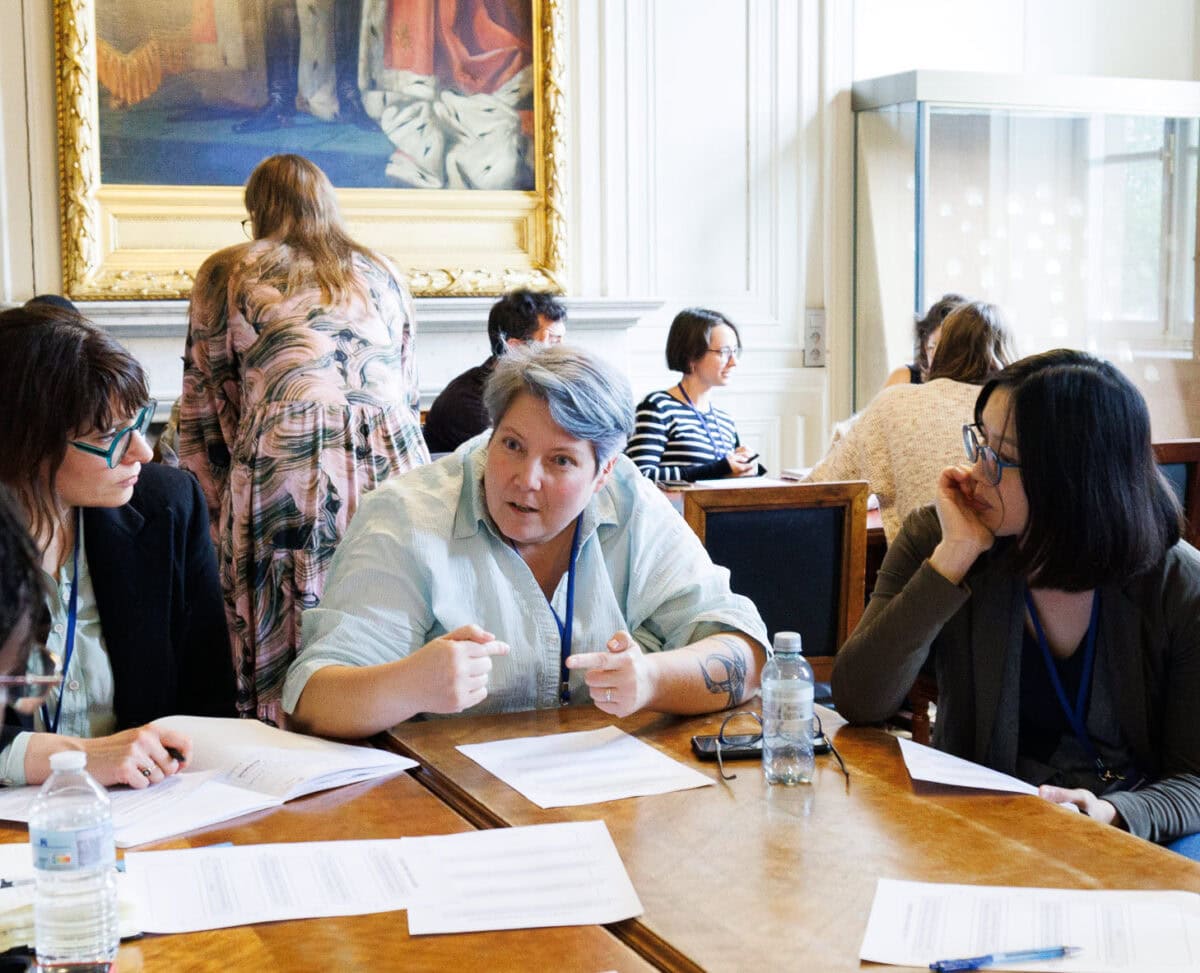
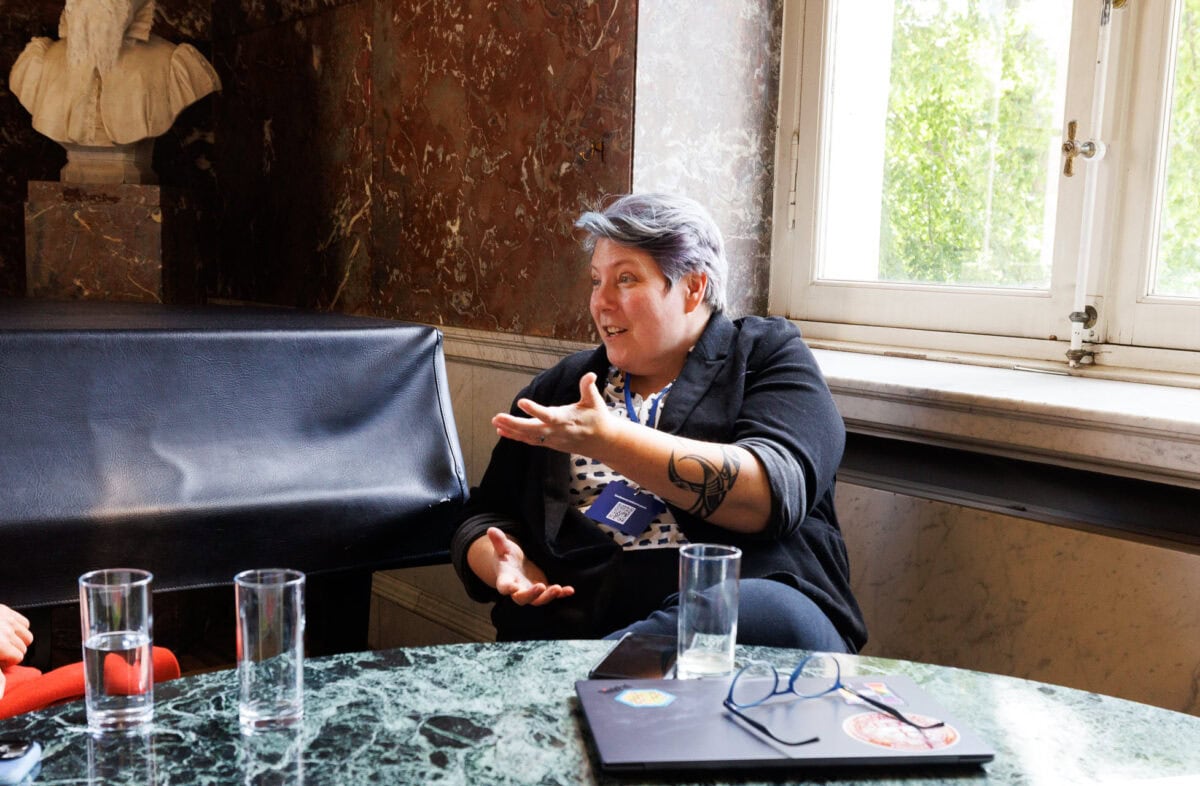
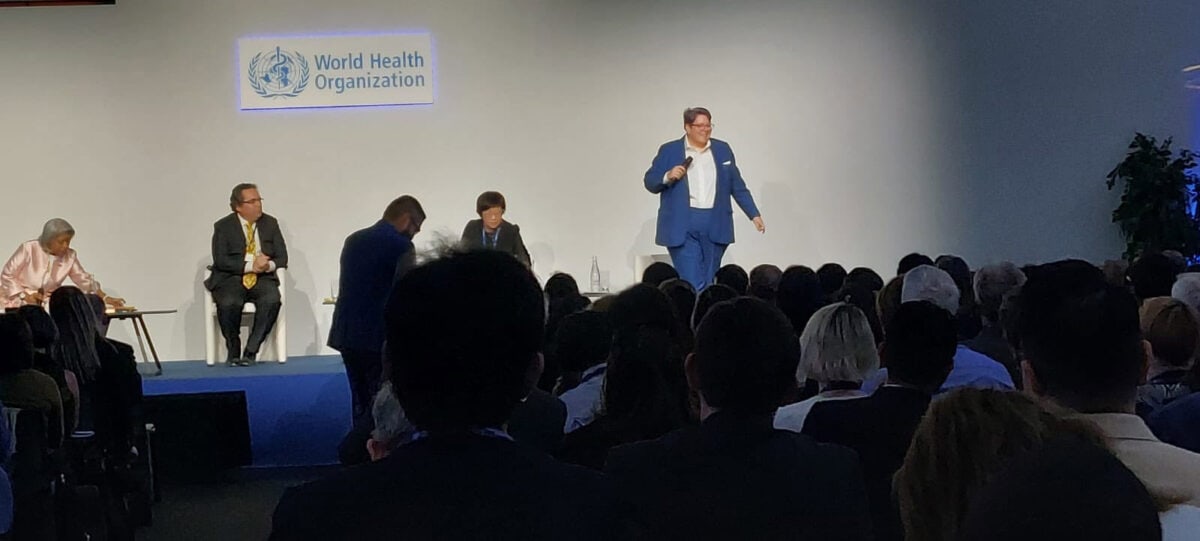
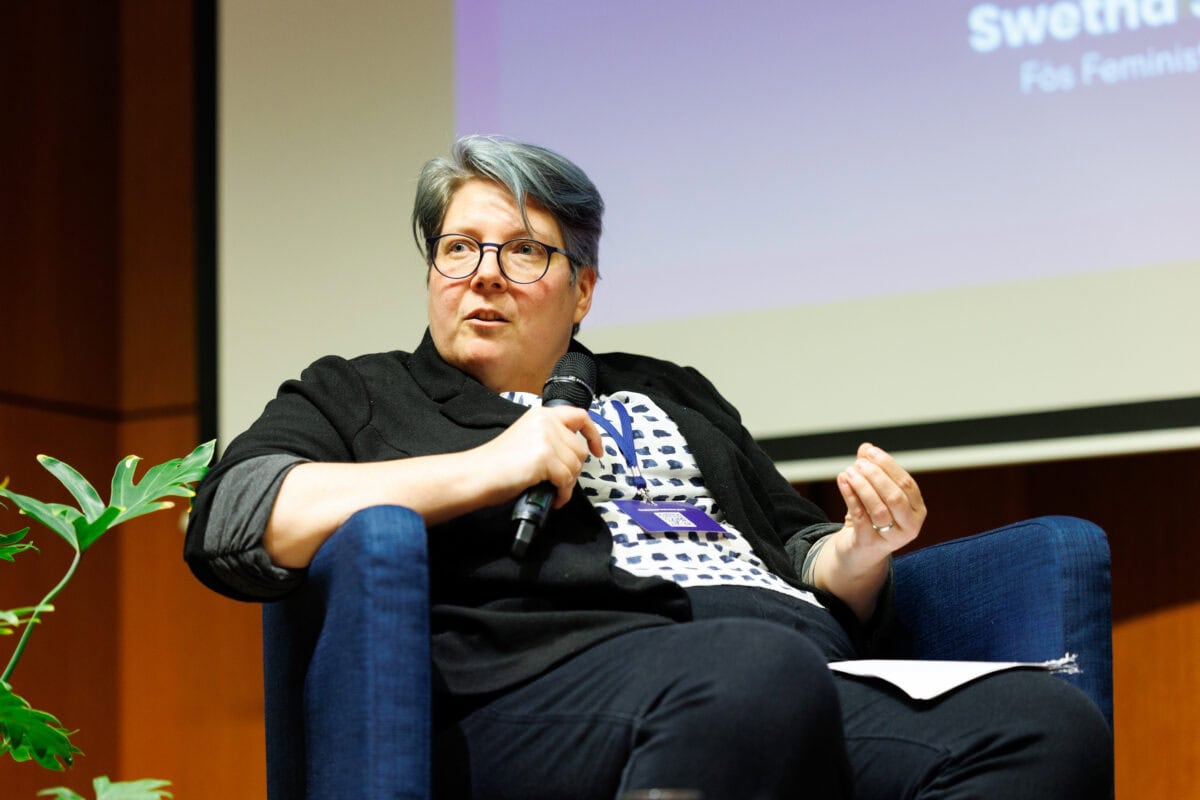
This week the Academy invited me back to follow it up, this time on a panel, “Trust in health and medicine: where are we now?”, with Lyndal Byford of the Australian Science Media Centre and Julie Leask AO of the University of Sydney, chaired by Catherine Luckin . I was glad it was a panel. Lyndal works on how science reaches the public through the media, Julie on what people actually do about vaccination and their health, and I work on the information environments people make health decisions in. Trust can be discussed from from each of those perspectives, and it was a good conversation to have them all in one place.
Thinking beyond “misinformed” and “mistrustful”
Catherine asked us whether terms like mistrust, distrust, misinformation and disinformation help us. I find them useful as tools, and less useful as labels. Distrust is usually about something specific, and when I ask what it’s about, I nearly always learn something about what an institution did or didn’t do.
The trouble I see is that all four words point us to describe “the public”. We have a rich vocabulary for what’s going well or wrong with people, and very few shared words for what we do, such as whether we listened, responded and followed up to what we learned from what people tell us about our programs, products, communication. Misinformation researchers make a related point, that misinformation is mostly a symptom of deeper social and political problems.
A study we published this week with Samantha Thomas and colleagues at Deakin University, Jean Hailes and the University of Melbourne shows what that kind of vocabulary misses. We asked 362 Australian women about the marketing around menopause. Many were skeptical. They checked their sources and went back to their GP. But they were doing that in a space where information and advertising are hard to tell apart. One woman told us, “It makes you give up; because you buy and try these things and they aren’t effective.” I wouldn’t call that being misinformed. People make real choices, but the options they see first are shaped by whoever has the most to sell.
Julie made also a good further point. Trust plays a part in what people do about their health, and it is one factor among many. In a major review of the psychology of vaccination she co-authored, interventions that made vaccination easier, such as reminders and fewer practical barriers, worked far better than ones that tried to change what people think and feel. If we treat every decision we disagree with as a trust problem, we miss much of what is going on.
What we often see is a gap between what people want for their health and the decisions they end up making. Someone wants to stay well for their family, and stops a medicine because of something they read online. The decision is made inside an information environment that pulls in other directions, and most of that pull now happens at home, in group chats, on social media feeds and more and more often with a chatbot. Good clinicians work with this gap every day by starting from what the person is trying to achieve, as my colleague David Scales has argued (I wrote up his grand rounds on it). Outside the consultation room, we have far fewer ways of thinking about it this way and doing the same.
Better discussion is part of the work
That gap is why I increasingly think shaping and enabling better public discussion is central to trust. Last year I described three conversations, about making evidence, translating it and discussing it in public. Over the past year they have run into each other, which researchers have long called context collapse. Scientific debate, policy decisions and personal stories now share the same feed, so it is harder to show our reasoning before a topic hits the public debate.
Lyndal described how much attention the Science Media Centre pays to how science and evidence are reported, and I think journalists have a major role in how these debates take shape. So do the rest of us. When we explain how we reached a decision, say what we don’t know yet and come back when we know more, people can follow the reasoning and work things out with us. Experiments suggest that being upfront about uncertainty protects trust when the evidence later changes.
Looking inside our own institutions
Better discussion also depends on what happens inside our institutions. The Academy’s communiqué on trust, released this week, puts it well, calling these “questions of institutional conduct and system design” and describing communication as “only one part of the response needed”. The evidence agrees. A review of 149 studies found that most of what predicts trust in health organizations is what the organizations themselves do. We talk much less about whether our own assumptions and policies let our colleagues act in trustworthy ways. Good engagement only goes so far if a GP has ten minutes per patient, or if a conversation is only paid for when it produces something measurable. And listening is tested by whether anything changes afterwards based on what we’ve learned in the listening, and by whether the people who spoke up can see that something did change.
We were asked what gives us hope
I think health systems won’t be the main gatekeepers of health knowledge again, and there are fewer shortcuts to being believed and trusted compared to 15, 20 years ago when many of todays formal leaders were trained. But much of what we need to lead adaptation exists already, in frontline workers who hear every day what people are dealing with, in science media centers, and in rooms like this week’s annual meeting of AAHMS org, where people from different corners of health and science work through these questions together and collectively learn, reflect on own assumptions and values, and lead adaptation of our systems, institutions, professions. That kind of shared figuring out is what I’d like to see much more of, in our institutions, professional societies and broader society.
Thank you to Catherine Luckin , Julie Leask AO , Lyndal Byford , Ruby Guyatt, PhD and the rest of the AAHMS org team.