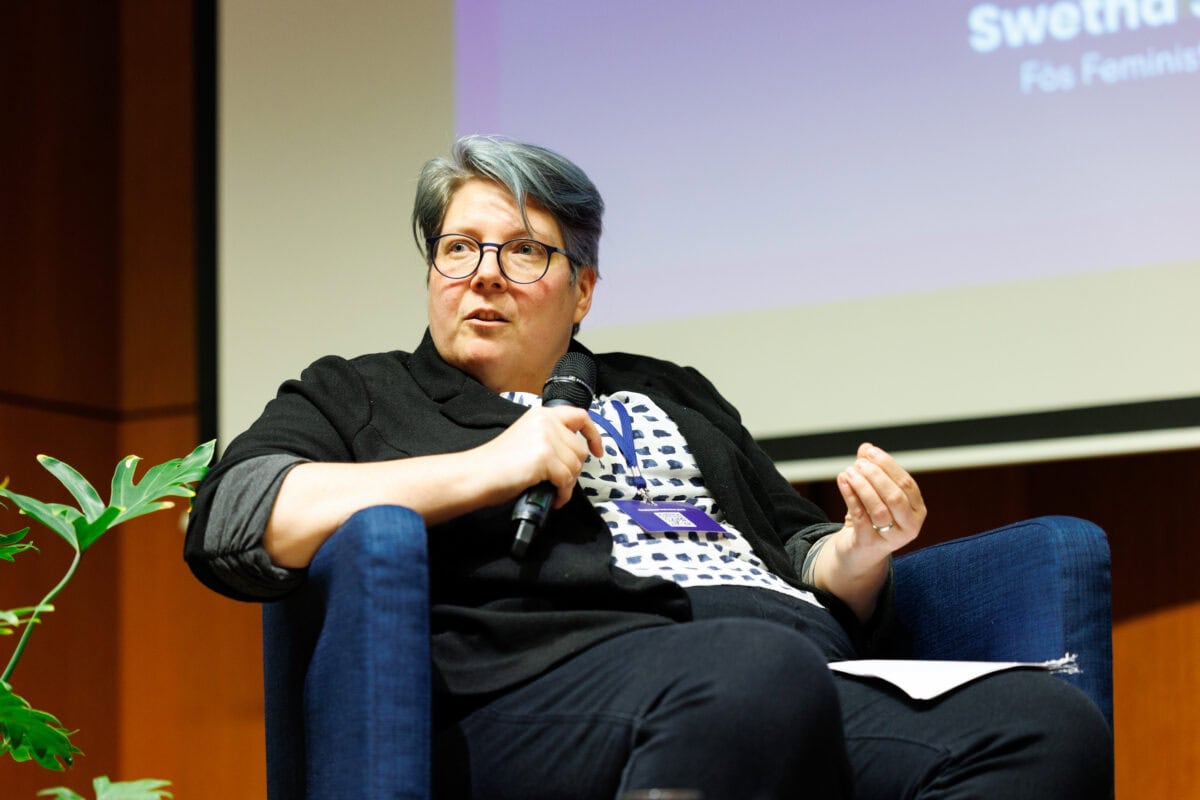
Today I spoke at an OECD – OCDE webinar about the PaRIS survey and what it reveals about trust and patient outcomes.
We often talk about trust as an attitude. The findings of the survey suggest it is closer to a practical test: does care received still make sense once the patient goes home?
For chronic illness, the real work happens between visits. We should not assume the patient should carry it alone. The consultation introduces a care plan, daily life tests it, and follow-up makes it reliable.
When that loop works, patients rely on care and trust it. When it breaks, they keep searching.
A few lines stayed with me while preparing:
1/ The visit succeeds when the patient leaves knowing what to do when something changes at home, not just what to agree to in the room.
2/ Continuity lets each recommendation build on the last one instead of forcing the patient to re-explain their story and re-evaluate the plan every time.
3/ Many return visits are not for new treatment but for help making sense of symptoms, side effects, and whether today is normal or a warning.
4/ Technology should make it easier to ask, “does this matter?” while life is happening, not replace the chance to reason together.
5/ Care becomes believable when the patient can follow it on a busy Tuesday, during travel, or when they feel worse than expected.
I wrote a longer reflection expanding these ideas and what they imply for how we design services.
Trust is built the next day.

Tina D Purnat
Data, tech & health policy
Public health
Healthy information environment
Health information and informatics
Infodemic management
Tina D Purnat
Data, tech & health policy
Public health
Healthy information environment
Health information and informatics
Infodemic management