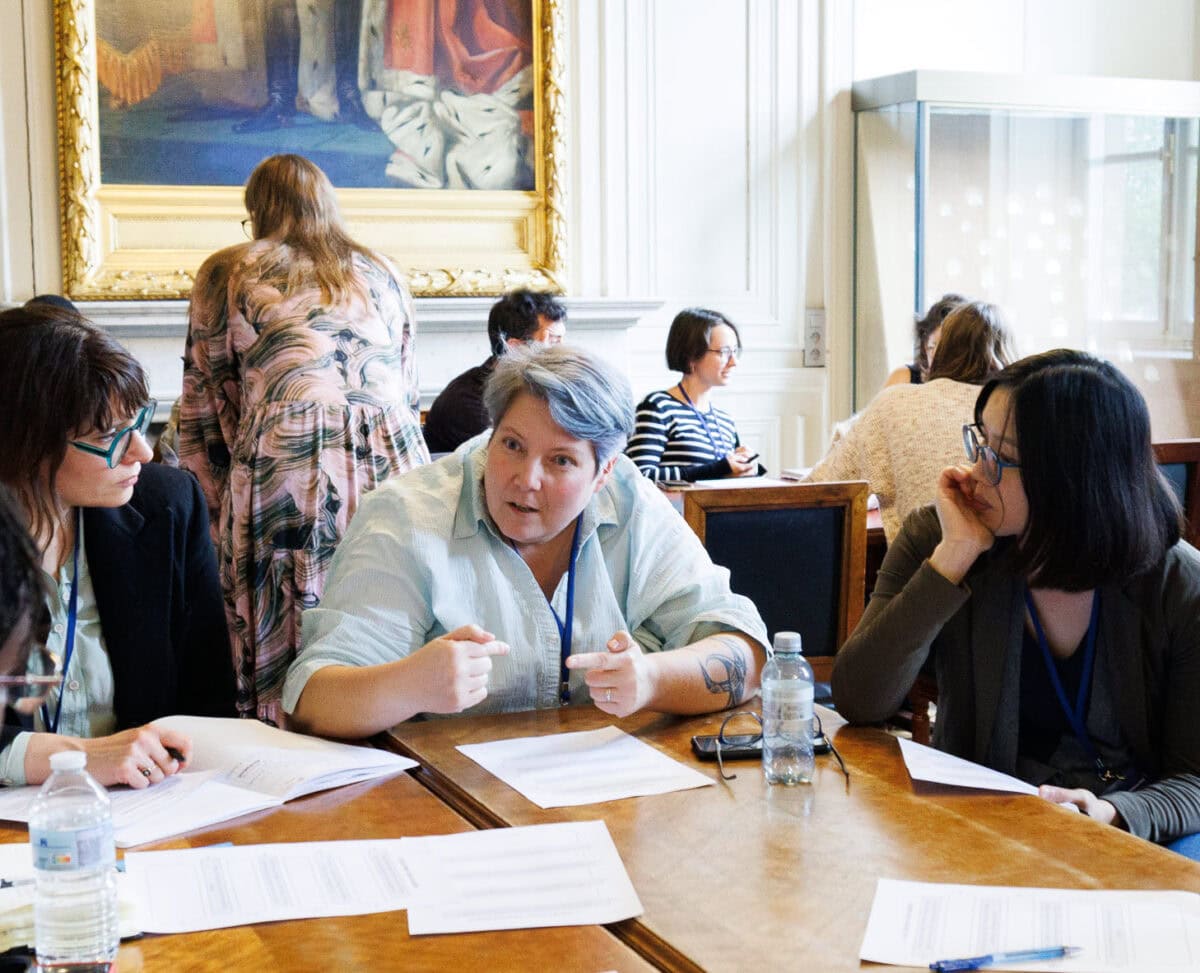
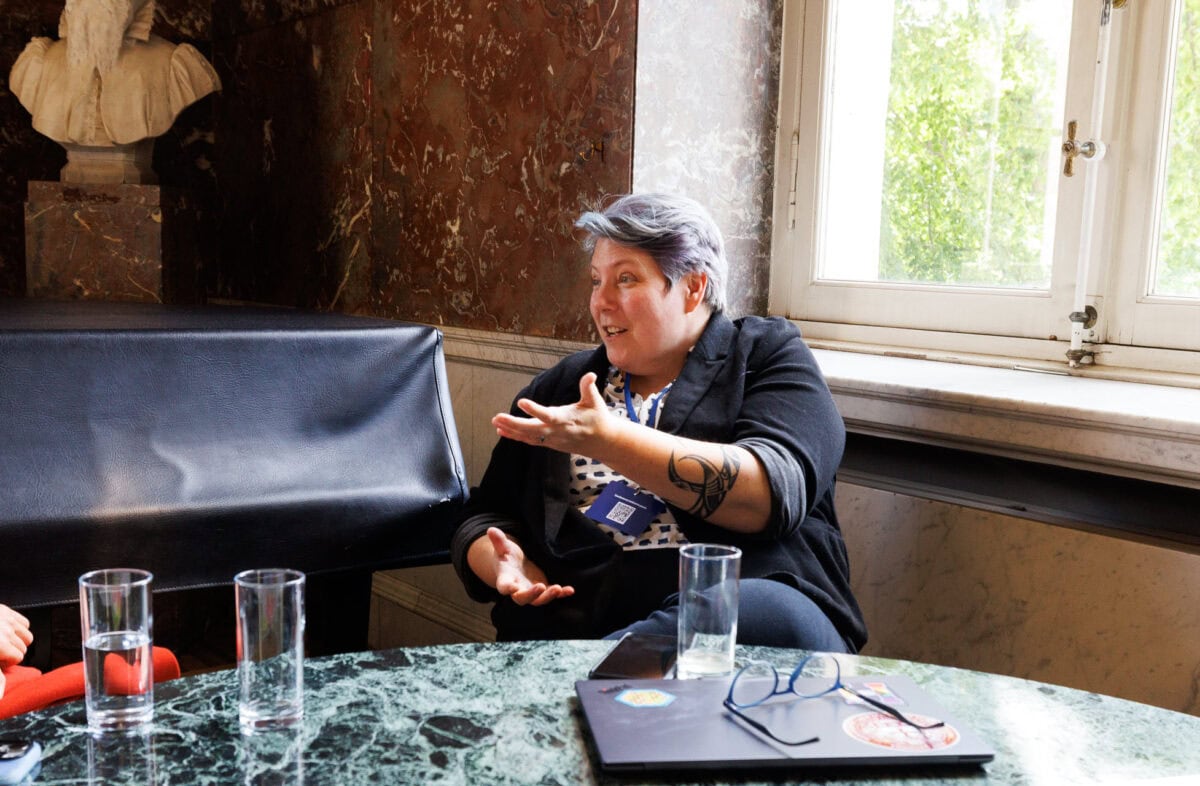
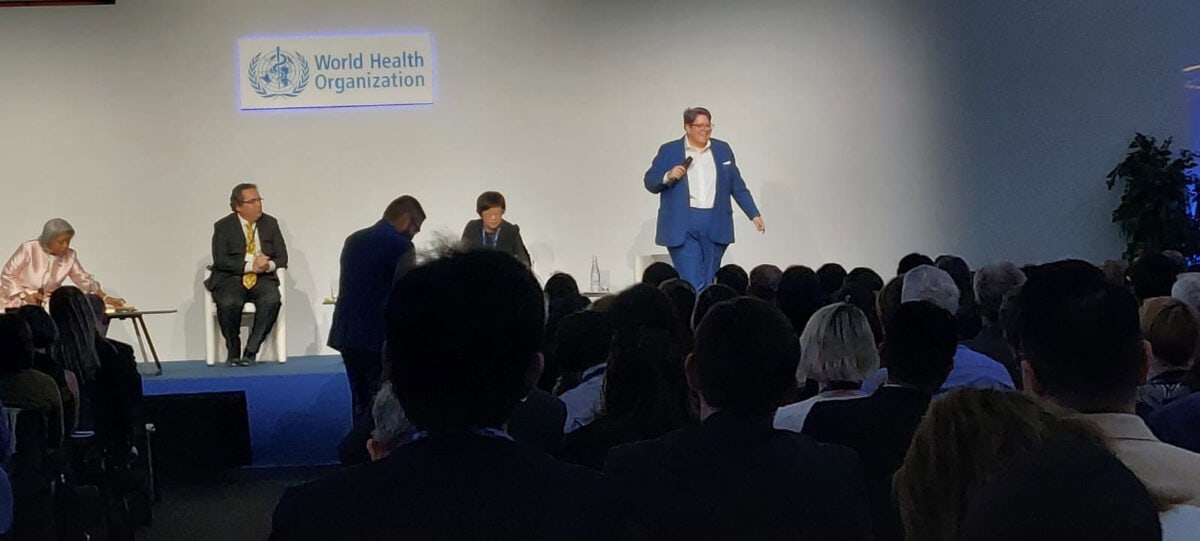
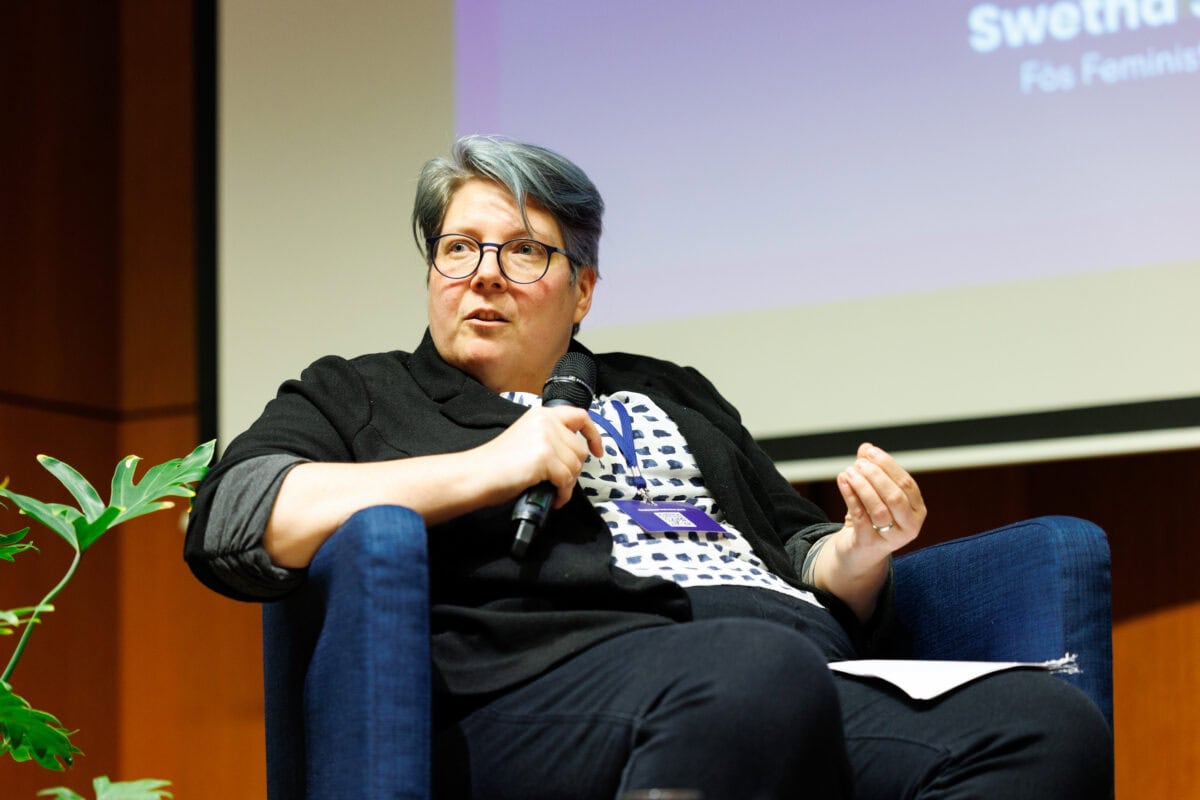
 I spoke about health misinformation and information ecosystems at a webinar organized by Health Informatics Bangladesh, an IMIA member.
The talk worked through four levels of analysis of the information environment. At the level of claims, corrections reduce misinformation effects without eliminating them, and their effects fade without sustained exposure, while most of what a health worker meets in a conversation is an unanswered question rather than a false claim. At the level of mediation, advice to train clinicians in better conversations was written for a twenty-minute consultation that much of the world does not have, first contact with the health system is often not a clinician at all, and the digital mediators that increasingly shape what people find, from national platforms to chatbots to discharge summaries, are designed by people whose competency frameworks do not mention misinformation. At the level of narrative, a claim that fits a story a community already holds keeps circulating after correction, because correcting the claim does not address the experience attached to it. And at the level of discourse, health systems have well-built pathways for hearing where services break down and very little for how communities make meaning, so the community health workers who sit closest to households are treated as a delivery system rather than as part of adaptive infrastructure.

Tina D Purnat
Data, tech & health policy
Public health
Healthy information environment
Health information and informatics
Infodemic management







Tina D Purnat
Data, tech & health policy
Public health
Healthy information environment
Health information and informatics
Infodemic management

@Health Informatics Bangladesh: Health Information, Misinformation and Information Ecosystems
- Year: 2026