







Since Elisabeth Wilhelm and I drafted the first version of our chapter on health disinformation for the new European Digital Media Observatory volume, its relevance has only grown.
Health disinformation gets propagated for profit or for social and political influence. The motivations vary, but the tactics tend to exploit the same vulnerabilities in the information environment and in the ways people make sense of risk and uncertainty.
Public health works toward long-term population wellbeing, so it approaches harmful information as a structural challenge that affects trust, equity, and the ability of communities to stay safe. Addressing health disinformation therefore cannot rely on rapid debunking alone. Public health needs to work on durable resilience that includes social and behavior change approaches, strong health communication systems, and support for the many people who form and maintain community trust.
This also matters for climate and One Health challenges. The same conditions that allow health disinformation to spread also shape how people understand climate impacts, zoonotic threats, and environmental change.
Disinformation narratives cut across these domains, which means the solutions must as well. Interdisciplinary work that links public health, SBC, climate communication, and information integrity is essential.
We wrote the chapter as a short public health primer for disinformation researchers and closed with reflections for colleagues who sit at the intersection of health communication and information disorder.
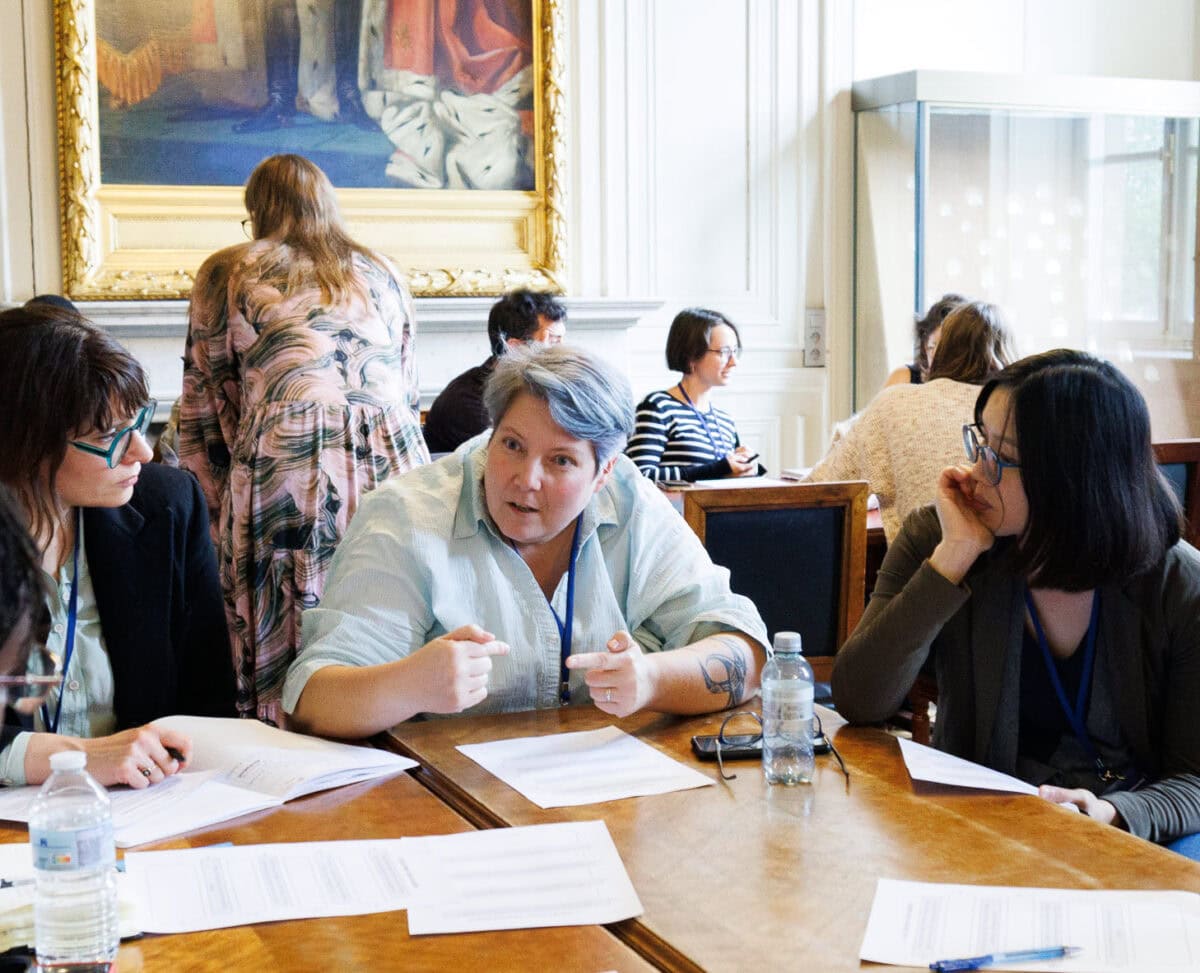
Lis and I explored several of the chapter’s themes during our EDMO training workshop.
Thanks to Paula Gori and Lisa Ginsburg for inviting us to contribute to this book: Disinformation: A Multi-Disciplinary Analysis